Soft Shell vs. Hard Shell Rooftop Tents: What You Need to Know Before You Buy
24th Jun 2026
Which is the Best Rooftop Tent For Overlanding?
When it comes to overlanding, it’s important to have a quality sleep system that can benefit your needs. There are two main types of rooftop tents you can use for these needs, being hard shell and soft shell rooftop tents. It’s a big decision that can affect the entire course of your adventure, which is why our team at Iron Rigs 4x4 is more than prepared to help you navigate this choice.
Understanding the Two Styles: Soft Shell vs Hard Shell Rooftop Tent
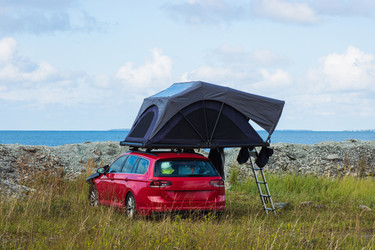
It’s vital to understand the two different systems fundamentally before exploring their effectiveness. Soft shell tents fold out like a book, doubling their footprint, and utilizing a heavy-duty, water resistant PVC cover for protection during transit. Hard shell tents, on the other hand, are made with a rigid outer casing, popping straight up or open with a clamshell-like design using built-in gas struts.
Rooftop Tent Comparison
Set-Up and Packdown Speeds
How often your camp location changes is an influential part of which one tent style works best for you, especially with regards to patience. The 60-second hard shell setup makes it perfect for late-night arrivals, allowing you to easily pop it open and get to bed in under a minute. Soft shells, on the other hand, take a few extra minutes, requiring you to remove the cover, fold out the floor, and insert the tension rods for the window awning.
Footprint, Space, and Comfort
Your choice of tent also dictates your interior living space and how your rig may handle tight or overgrown trails. Soft shells maximize the square footage, as they fold out past the side of the vehicle, providing greater interior capacity and making them ideal for families or larger groups. Hard shells stay within the roofline, which restricts living space but allows for easy navigation on dense, wooded trails.
Aerodynamics and Trail Durability
Of course, how your tent performs on the highway and against trail obstacles matters just as much as how it works at the campsite. Hard shell tents slice through the air, reducing wind drag due to their aerodynamic casing, which helps keep up your fuel economy on longer stretches on the road. They also have an easier time shrugging off damage from oncoming tree branches or tight trails thanks to their rigid casing compared to the soft shell’s PVC cover.
Weight and Roof Rack Limits
Before you mount any tent to your rig, it is critical to understand your vehicle's weight limits to ensure your safety on the trail. In general, hard shell tents are significantly heavier than soft shell models. When making your choice, you must verify your roof rack's Dynamic Weight Capacity (the maximum weight your roof can safely support while you’re driving) versus its Static Weight Capacity (the weight your roof can hold while you are parked and sleeping inside). Always make sure your vehicle's dynamic rating can handle the heavier, rigid frame of a hard shell before making your final purchase!
Weather Resistance and Insulation
Given the unpredictable weather on Pacific Northwest overland trails, knowing how your tent handles the elements is a must for a good night's sleep.
- Hard Shells: The rigid roof is exceptional at deflecting heavy rain and snow, and the thick canvas sides remain taut so they won’t flap around noisily in high winds.
- Soft Shells: While the materials are highly water-resistant to keep you perfectly dry, the exterior rainflies tend to catch the wind and can be noisy during a storm. Additionally, a soft shell will take much longer to completely dry out before you can safely fold it up and pack it away.
Which Tent is Right for You?
Depending on your camping style, budget, and other campers who travel with you, your final decision on which tent you should get may change. Soft shell buyers may want more room for themselves and their traveling companions, with these tents also coming at a lower cost. Hard shells are more so for overland travelers that move campsites daily, or otherwise want a faster and more durable living space.