The Ultimate Vehicle Recovery Kit: What to Pack
13th Aug 2026
Expect the Unexpected: Getting the Ultimate Off-Road Recovery Gear
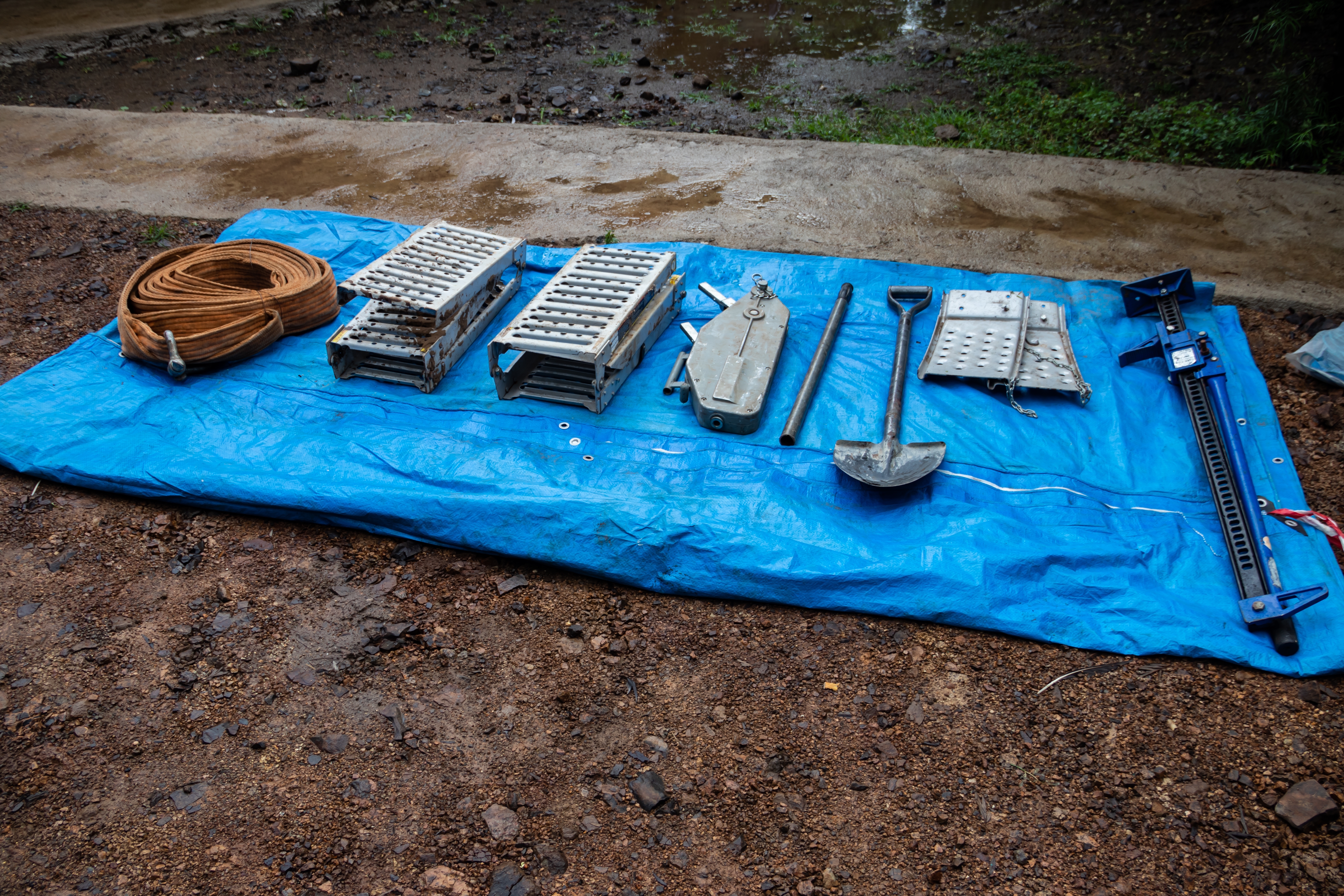
Getting stuck is a rite of passage for any off-roader in the Pacific Northwest, thanks to the deep mud, slick clay, and steep forest inclines of these trails. Many beginners head out with just a cheap tow strap and hope for the best, but these alone can damage the frames, lead to dangerous snapped lines, or stranded vehicles. What you need is a heavy-duty recovery system to safely extract yourself from any sticky situation in the Coast Range or the Cascades.
Heavy-Duty Winches and Recovery Rope
A winch is the ultimate self-recovery tool when wheeling solo, especially when there’s no other vehicle to pull you out. Between synthetic and steel cables for your winch, synthetic is usually the better choice thanks to it being lightweight, easier to handle, and not storing dangerous kinetic energy if it snaps. Determine the weight your winch can handle by sizing it properly which is taking the gross vehicle weight and multiplying it by 1.5. The Frontier 9,500 and 12,000-pound winches are especially great models to use, thanks to their IP68 water resistance rating, which is very useful for wet Oregon conditions.
Kinetic Recovery Rope
Don’t get the wrong type of straps or ropes for moving your vehicle out of the mud. Static tow straps are for flat pavement towing, while dynamic kinetic ropes are for yanking recoveries in mud or snow. These ropes stretch like a heavy-duty rubber band, taking the destructive shock load off both vehicle frames and transferring smoother energy to pull the stuck rig free. Medium to full-sized trucks in particular could really benefit from heavy-duty, 20,900-pound rated kinetic recovery ropes.
Ditch Heavy Steel: The Case for Synthetic Soft Shackles
Traditional metal D-rings become flying missiles if a recovery point or strap fails, which is why soft shackles are made from a high-molecular-weight polyethylene. They weigh ounces, boast breaking strengths of over 35,000 pounds, float in mud, and won’t dent your bumper. Don’t ever attach your recovery strap to a trailer ball, however, and instead get a proper two-inch receiver recovery hitch rated for heavy pulls.
Doubling Your Pull: Why Every Kit Needs a Snatch Block
A snatch block is a type of pulley block where one of its side plates swings open. These can double the pulling power of your winch when rig weight or steep mud demands extra force, while also allowing you to change the direction of your winch when trees or boulders prevent a straight line extraction. We recommend heavy-duty snatch blocks for most vehicles, which are rated for 24,000 pounds or higher.
Tree Protectors, Tire Deflators, and Trail Etiquette
Just wrapping a bare winch line around a tree can strip its bark, decrease its health, and potentially even kill it. At least using a wider tree trunk strap spreads the load and protects our local PNW forests. Of course, the best tool for escaping the mud is to never get stuck to begin with, so bring tire deflators to drop tire pressure and increase your vehicle’s tread footprint for instant traction. Also, don’t forget safety essentials like heavy leather work gloves and winch line dampeners.
Get Your 4x4 Recovery Gear in Oregon at Iron Rigs 4x4
Don’t wait until you’re buried axle-deep at Browns Camp to realize you’re missing a shackle or snatch block. Visit our Beaverton off-road shop for accessories, Iron Rigs 4x4, to build your custom recovery kit. From winches to soft shackles, our team will help you pick the right gear for your vehicle weight so you can hit the Oregon trails with confidence. If you have any other questions about your potential gear, please contact us online.
Off-Road Recovery Kit for Sale
Frequently Asked Questions
What is the difference between a kinetic rope and a tow strap?
A tow strap (or static strap) has no stretch and is designed strictly for towing a broken-down vehicle on flat, paved roads. A kinetic recovery rope is dynamic, meaning it stretches up to 30%. This stretch absorbs the violent shock load during an off-road recovery, allowing the pulling vehicle to get a running start and use kinetic energy to smoothly yank a stuck vehicle out of mud or snow without damaging either frame.
Is synthetic winch rope better than steel cable?
For most recreational off-roaders, yes. Synthetic rope is much lighter, floats in water, won't develop sharp burrs that can cut your hands, and is vastly safer. If a steel cable snaps under load, it stores massive kinetic energy and can cause severe injury or vehicle damage. If a synthetic rope snaps, it simply falls to the ground. However, synthetic rope does require you to keep it clean from mud and grit to prevent abrasion.
Can I use a trailer hitch ball as a recovery point?
No, absolutely never. Trailer hitch balls are designed for downward tongue weight and steady horizontal towing, not the violent, sudden force of an off-road yanking recovery. Under the massive stress of a kinetic pull, a trailer ball can snap off and become a lethal projectile. You should always use a rated recovery point, such as a shackle hitch receiver that slides into your tow hitch.
Do I need a tree saver strap to use a winch?
Yes. A tree saver (or trunk protector) is a wide, non-stretching strap that wraps around a tree to create an anchor point for your winch. Using a bare winch line (especially a steel cable) will cut into the tree, stripping its bark and potentially killing it. Using a tree saver is a critical part of off-road trail etiquette to preserve our public lands.